

History of the Berlin Wall
The Wall that devastated thousands. Read about its full history and the consequences it caused in East and West Berlin.
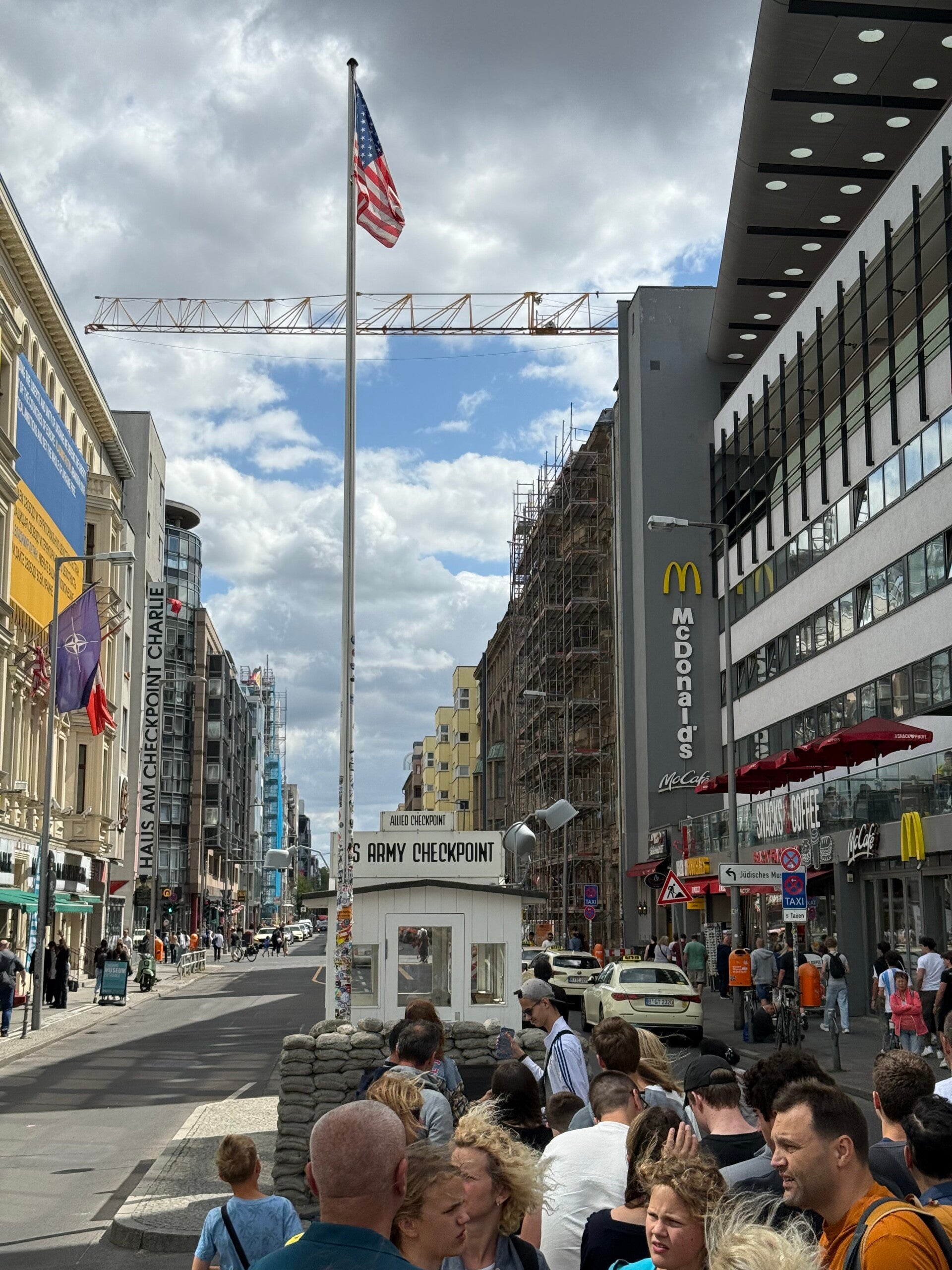
Construction of the Wall
The construction of the Berlin Wall in 1961 became one of the most significant events of the Cold War. Facing a large number of citizens leaving East Germany for the West, the East German government built the Wall to prevent further migration and strengthen its control over the population. The sudden barrier divided Berlin overnight, separating families, friends, and communities for decades. While East Germany claimed the Wall was built to protect its citizens from Western influence, it became a powerful symbol of oppression, restriction, and the growing divide between democracy and communism.
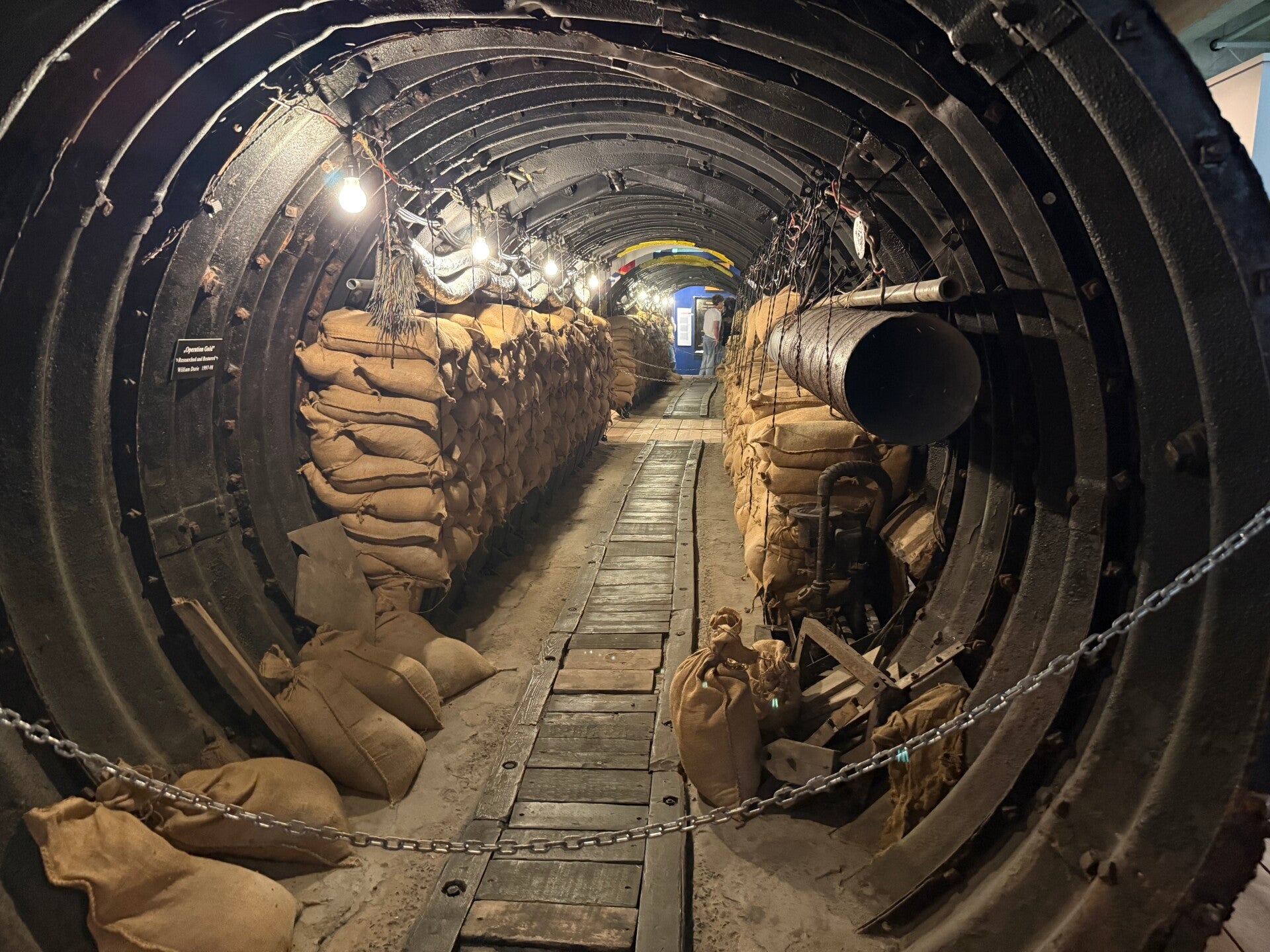
Escape Attempts
Escape attempts from East Germany became a major part of the story of the Berlin Wall. As many citizens sought greater freedom and opportunities in the West, thousands attempted to cross the border despite strict security measures. People used creative methods such as secret tunnels, hidden compartments in vehicles, forged documents, and even homemade aircraft to escape. Although some attempts were successful, many were stopped by East German border guards. These dangerous efforts showed the desperation of many East Germans and highlighted the harsh restrictions created by the division of the country.
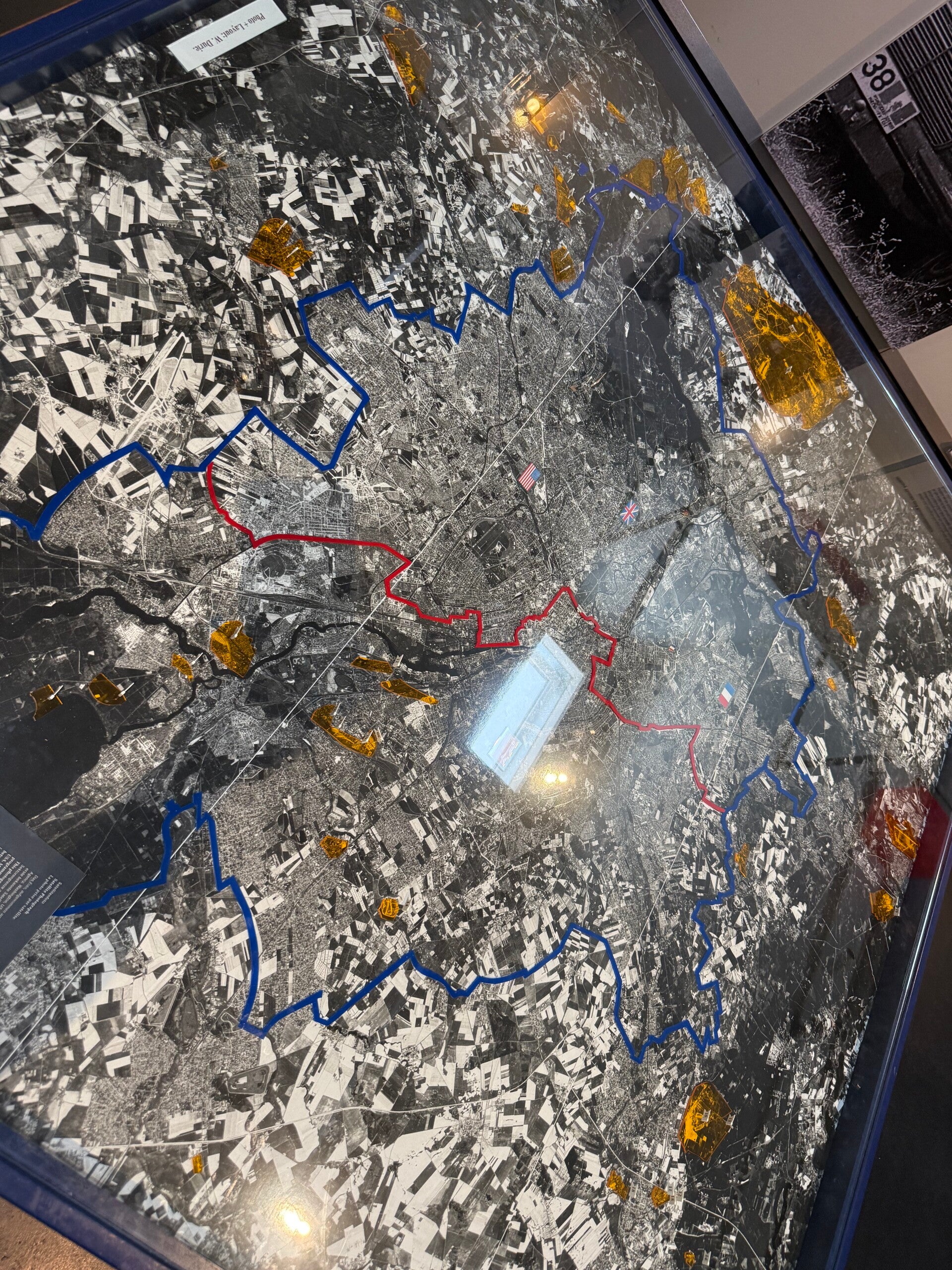
Impact on People
The division of Germany had a big impact on the lives of ordinary people. Families, friends, and communities were separated by the Berlin Wall, making travel and communication between East and West extremely difficult. Many East Germans faced restrictions on their freedoms, limited access to goods, and constant government surveillance by the Stasi. Meanwhile, people in West Germany experienced greater political freedoms and economic opportunities. The division created lasting emotional and social effects that continued even after the Berlin Wall fell in 1989.
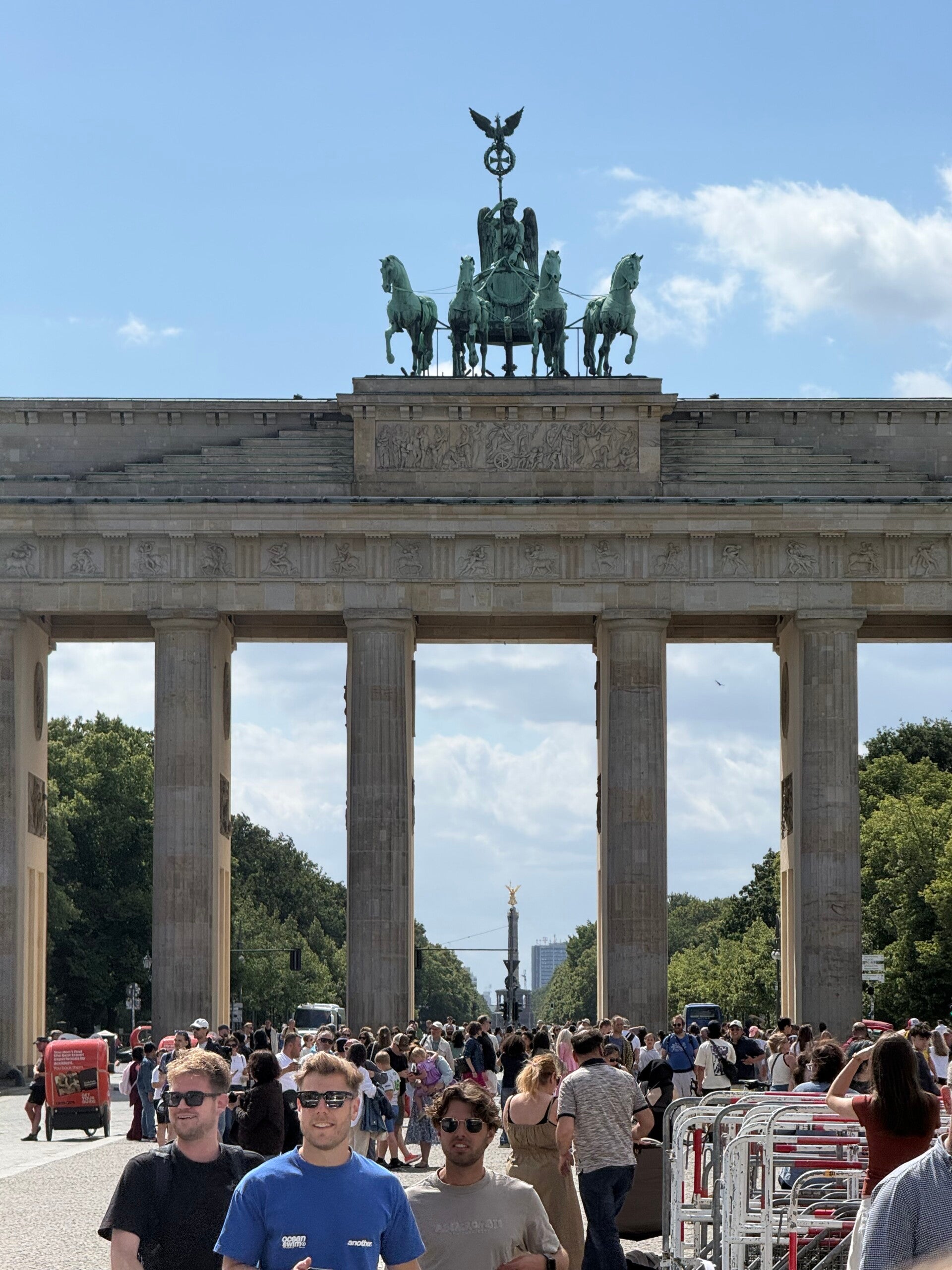
Symbol and Significance
The Berlin Wall became one of the most powerful and recognizable symbols of the Cold War, representing the deep divide between democracy and communism. More than just a physical barrier, the Wall represented the political, economic, and social differences between East and West Germany. To many East Germans, it symbolized oppression, restricted freedoms, and the inability to freely travel or choose where they wanted to live. For the Western world, it became a reminder of the struggle between the United States and the Soviet Union for influence and power. When the Berlin Wall finally fell in 1989, it became a global symbol of hope, unity, and the collapse of Cold War divisions. The reunification of Germany showed the possibility of overcoming political conflicts and rebuilding connections that had been separated for decades.
Create Your Own Website With Webador