

The East Versus the West
After Germany was divided following World War II, East and West Berlin developed into two completely different societies. While East Berlin operated under a communist government with strict state control, West Berlin embraced democracy, economic prosperity, and personal freedoms. Explore how politics, daily life, education, and culture differed on each side of the city.

Government and Politics
After World War II, Berlin was divided between two very different political systems. East Berlin was ruled by a communist government supported by the Soviet Union, where the government had strict control over politics, the media, and many parts of daily life. West Berlin, however, was part of a democratic system supported by the United States, Britain, and France. Citizens had the right to vote, express their opinions, and enjoy greater personal freedoms. These differences made East and West Berlin two completely different societies despite being part of the same city.
Image Credits: Beytlik

Economy, Employment, Daily Life
East and West Berlin had very different economies that shaped how people lived. East Berlin followed a communist system where the government controlled businesses, jobs, and wages. Although employment was guaranteed, people had fewer career choices, lower incomes, and often experienced shortages of goods. West Berlin had a capitalist economy with private businesses and more economic freedom. With support from West Germany, it experienced strong growth, providing more job opportunities, higher wages, and greater access to products, entertainment, and Western culture. These economic differences showed the larger contrast between life under communism and democracy during the Cold War.
Image Credits: Monstera Productions
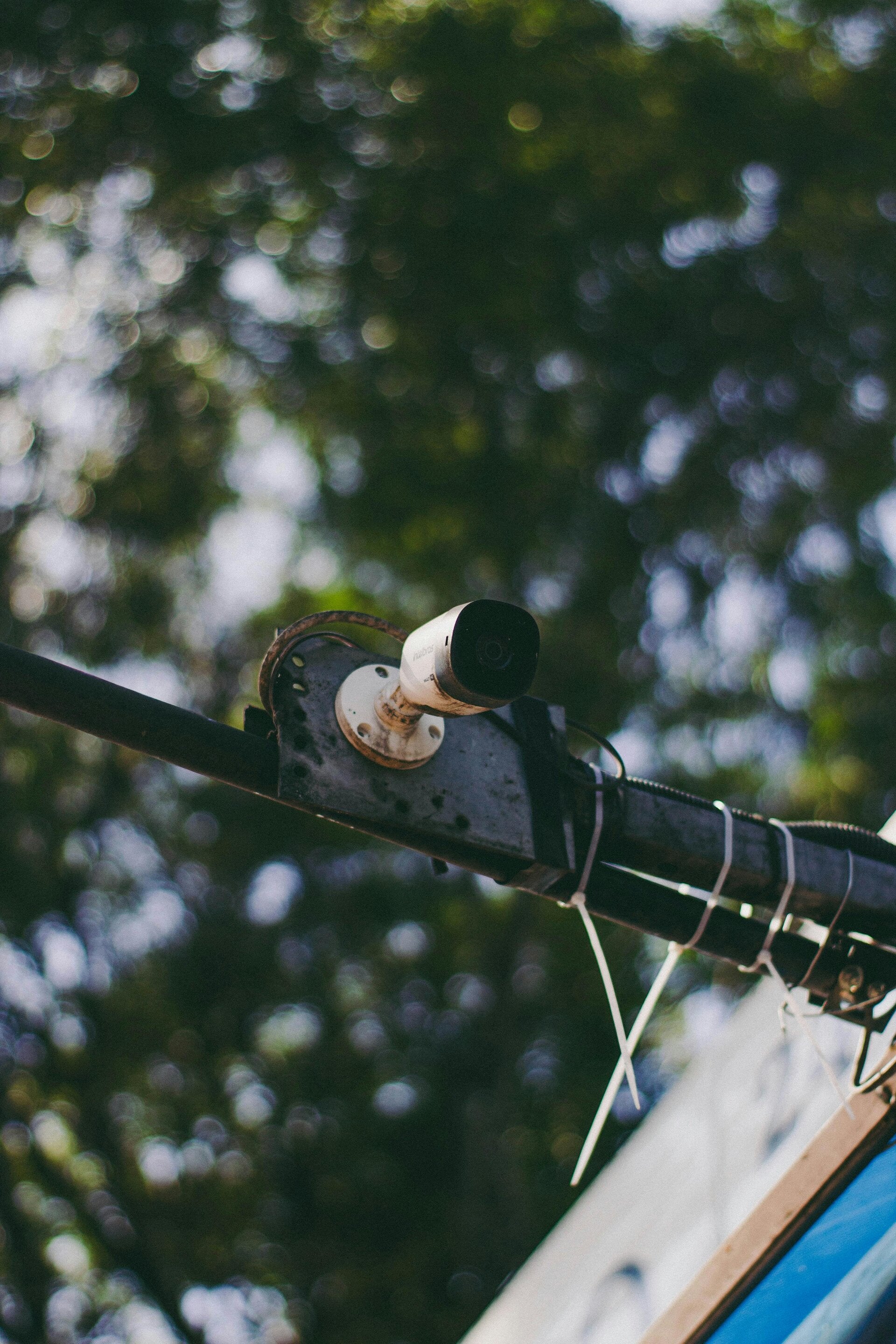
Restrictions of the Stasi in the East
In East Berlin, the Stasi, the secret police of East Germany, controlled many parts of daily life by monitoring citizens and limiting personal freedoms. The Stasi used surveillance, informants, and strict government rules to prevent opposition and maintain communist control. Many people were afraid to openly express their opinions because they could be punished or investigated. These restrictions created a society where privacy was limited and freedom of speech was heavily controlled.
Image Credits: Matheus Santana
Education, Youth, and Culture
Education and culture in East and West Berlin reflected their different political systems. In East Berlin, schools were controlled by the communist government and focused on teaching socialist values, loyalty to the state, and preparing students for specific careers. Youth organizations promoted communist beliefs and encouraged participation in government programs. In West Berlin, education was based on democratic values and heavy Western influence, allowing more freedom of thought, creativity, and cultural expression. Students had access to a wider range of ideas, music, art, and entertainment from Western countries, making culture another major difference between the two sides during the Cold War.
Image Credits: Alex P


Freedom, Security, and Society
Freedom and daily life were very different in East and West Berlin. In East Berlin, the government closely controlled society, limiting freedom of speech, travel, and the press. The Stasi monitored citizens, creating fear and discouraging criticism of the government. In West Berlin, people enjoyed democratic rights, including free speech, free elections, and the ability to travel and express their opinions openly. These differences made freedom one of the clearest contrasts between the two sides of the divided city.
Image Credits: Maria Kashina
Create Your Own Website With Webador