

The Stasi: East Germany's invisible hand
Explore the chilling history of the Ministry for State Security, known as the Stasi, and its profound impact on daily life in the German Democratic Republic.

Who were the Stasi?
The Stasi (short for Ministry for State Security) was the secret police of East Germany. Their main job was to protect the communist government by spying on citizens and stopping anyone who opposed the state. They used surveillance, informants, phone tapping, and mail inspections to monitor people's activities. Because many citizens feared being watched or reported, the Stasi became one of the most powerful and feared organizations in East Germany during the Cold War.
Image Credit: https://fity.club/lists/suggestions/Stasi-German-Police/
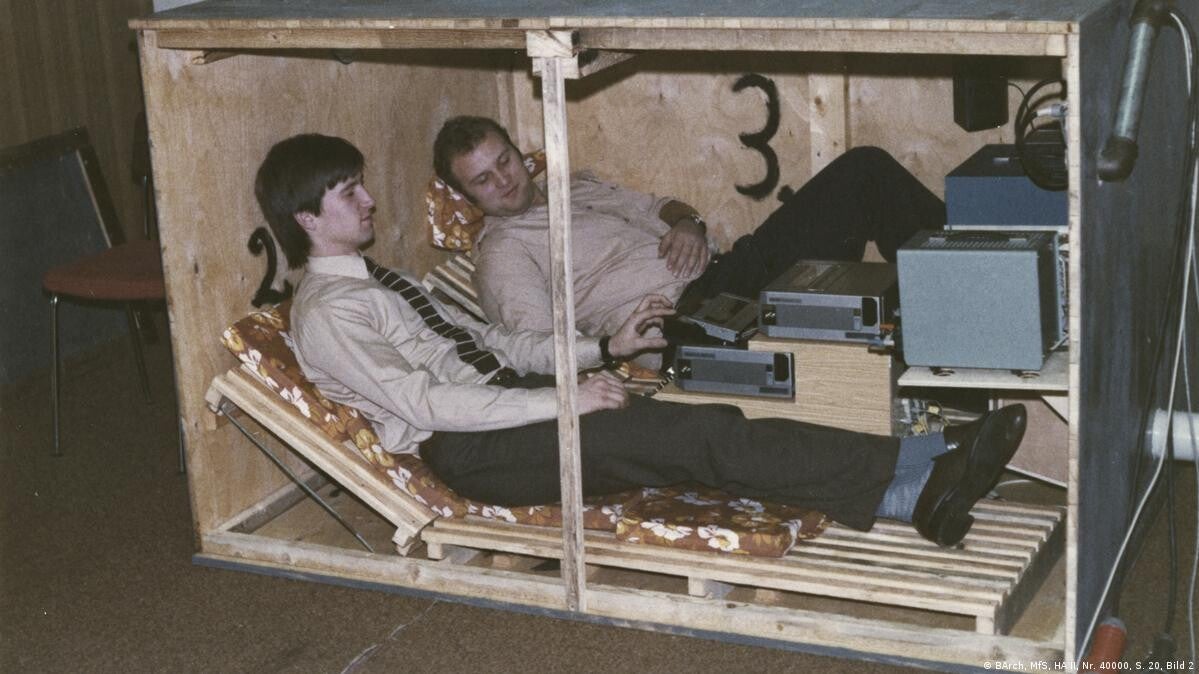
Surveillance and control
The Stasi maintained control by constantly monitoring the people of East Germany. They used hidden cameras, phone tapping, mail inspections, and a large network of informants to gather information on citizens. People could be watched at work, school, or even by neighbors and friends, making many afraid to speak openly or criticize the government. This widespread surveillance helped the communist government maintain strict control over society.
Photo Credit: https://www.dw.com/en/east-germany-spy-agency-stasi-surveillance/a-73491436

Informants and Zersetzung
The Stasi relied on thousands of informants-ordinary citizens who secretly reported on friends, neighbors, coworkers, and even family members. They also used a tactic called Zersetzung, which means "decomposition" or "undermining." Instead of arresting people, the Stasi often tried to ruin their lives by spreading rumors, damaging relationships, interfering with careers, or causing psychological stress. These methods created fear and discouraged people from speaking out against the communist government.
Image Credits: Musa Ortac/Pexels
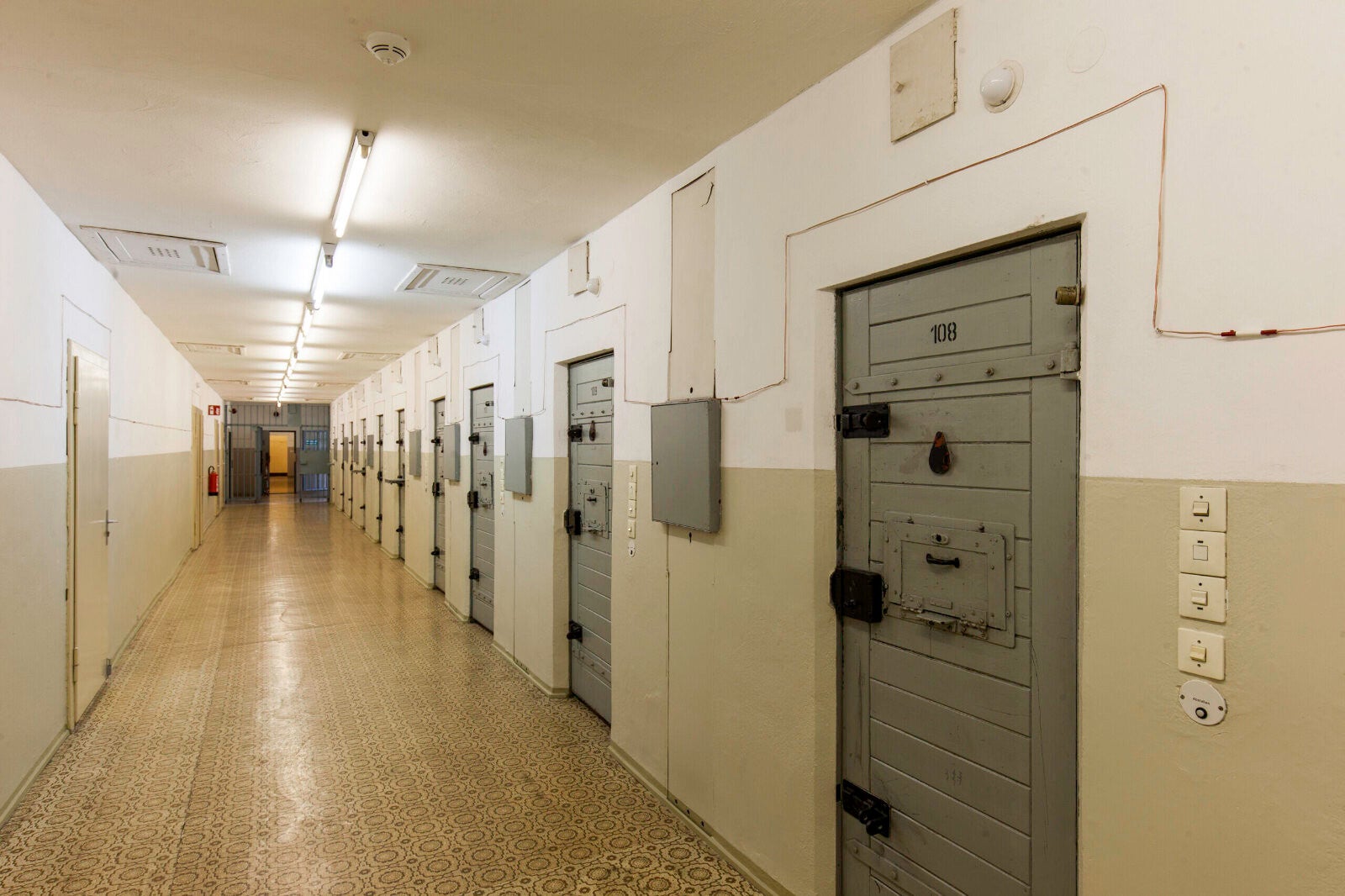
Prisons and punishments
People who opposed the East German government or were suspected of criticizing it could be arrested, questioned, or imprisoned by the Stasi. Many political prisoners were held without fair trials and faced harsh interrogations or long prison sentences. Others lost their jobs, educational opportunities, or the ability to travel. These punishments were used to silence opposition and maintain strict government control over society.
Image Credit: https://www.stiftung-hsh.de/en/topics/history/stasi-prison
The fall of the Stasi
The Stasi began to lose power in 1989 as protests against the East German government grew stronger. Citizens demanded more freedom, democracy, and an end to government surveillance. After the Berlin Wall fell on November 9, 1989, the Stasi was dissolved, and many of its records were opened to the public. The fall of the Stasi marked the end of one of the most powerful surveillance systems in the Cold War and became a symbol of the struggle for freedom in East Germany.
Create Your Own Website With Webador