

A Step Towards Reunification
The fall of the Berlin Wall marked the beginning of Germany's reunification after more than 40 years of division. In 1990, East and West Germany officially became one country again, ending decades of separation. Reunification brought new challenges, but it also symbolized hope, freedom, and a new chapter in German history.
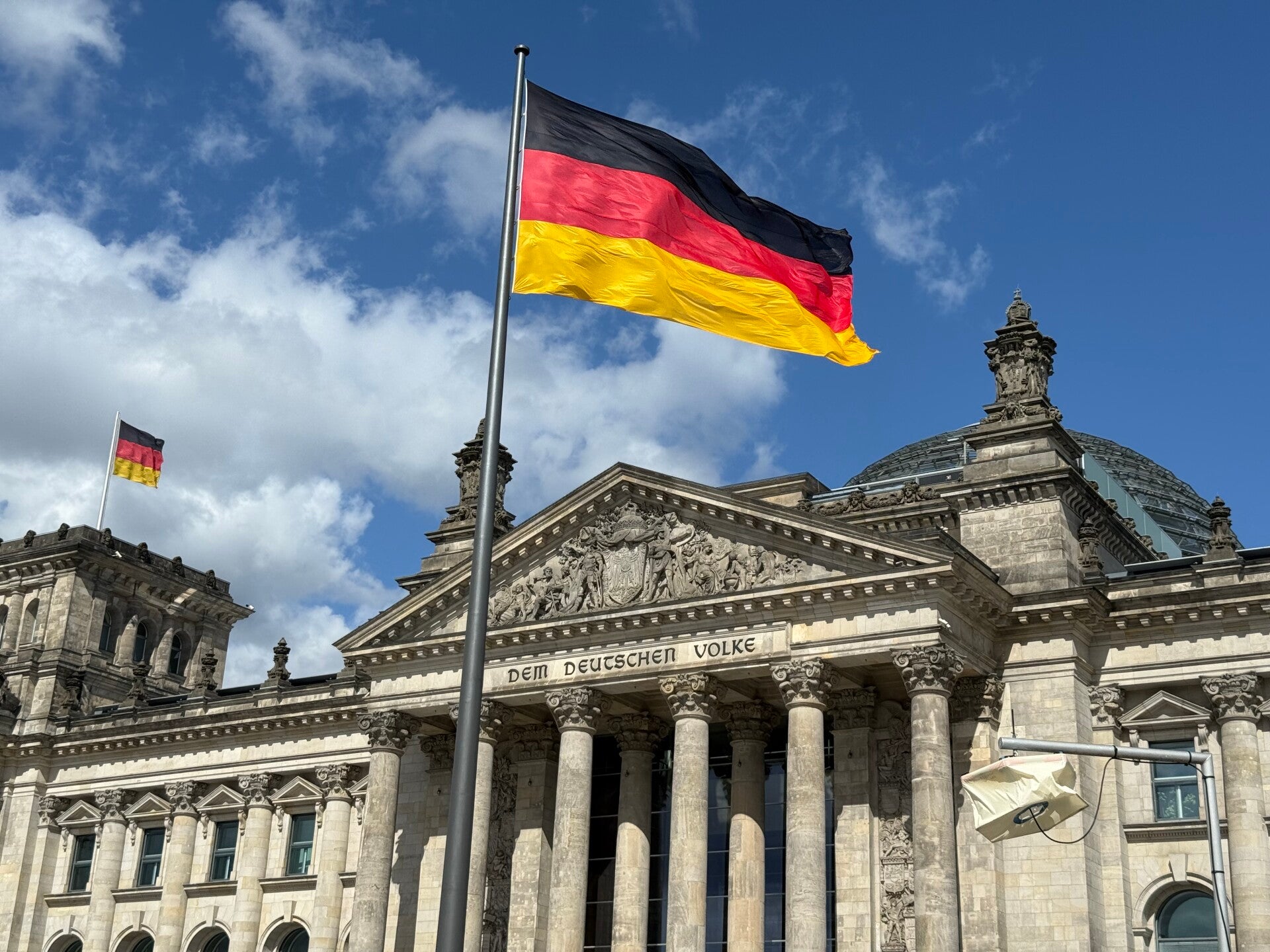
Growing Problems in East Germany
By the 1980s, East Germany faced growing political and economic problems. The economy struggled to keep up with the West, shortages of everyday goods became more common, and many people were frustrated by the lack of freedom and government control. As protests grew and communist governments across Eastern Europe began to collapse, pressure on East Germany increased, setting the stage for the fall of the Berlin Wall in 1989.
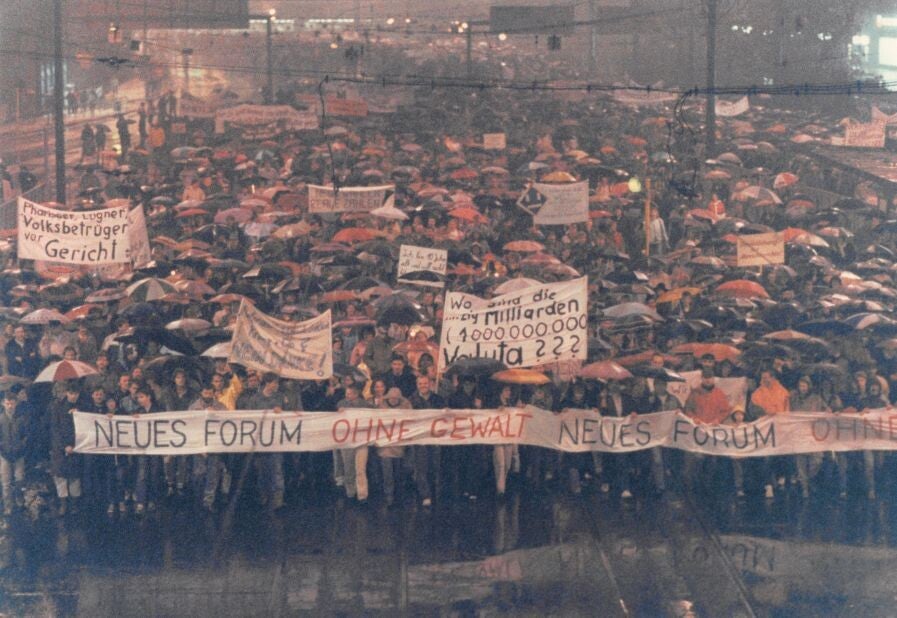
Protests
During the late 1980s, peaceful protests spread across East Germany as more people demanded political reform, freedom of speech, and the right to travel. Thousands gathered in cities like Leipzig and East Berlin, calling for democratic elections and an end to communist rule. These demonstrations continued to grow, putting increasing pressure on the East German government and helping lead to the opening of the Berlin Wall in November 1989.
Photographer / Source: Bundesarchiv (German Federal Archives) / Armin Kühne / picture alliance
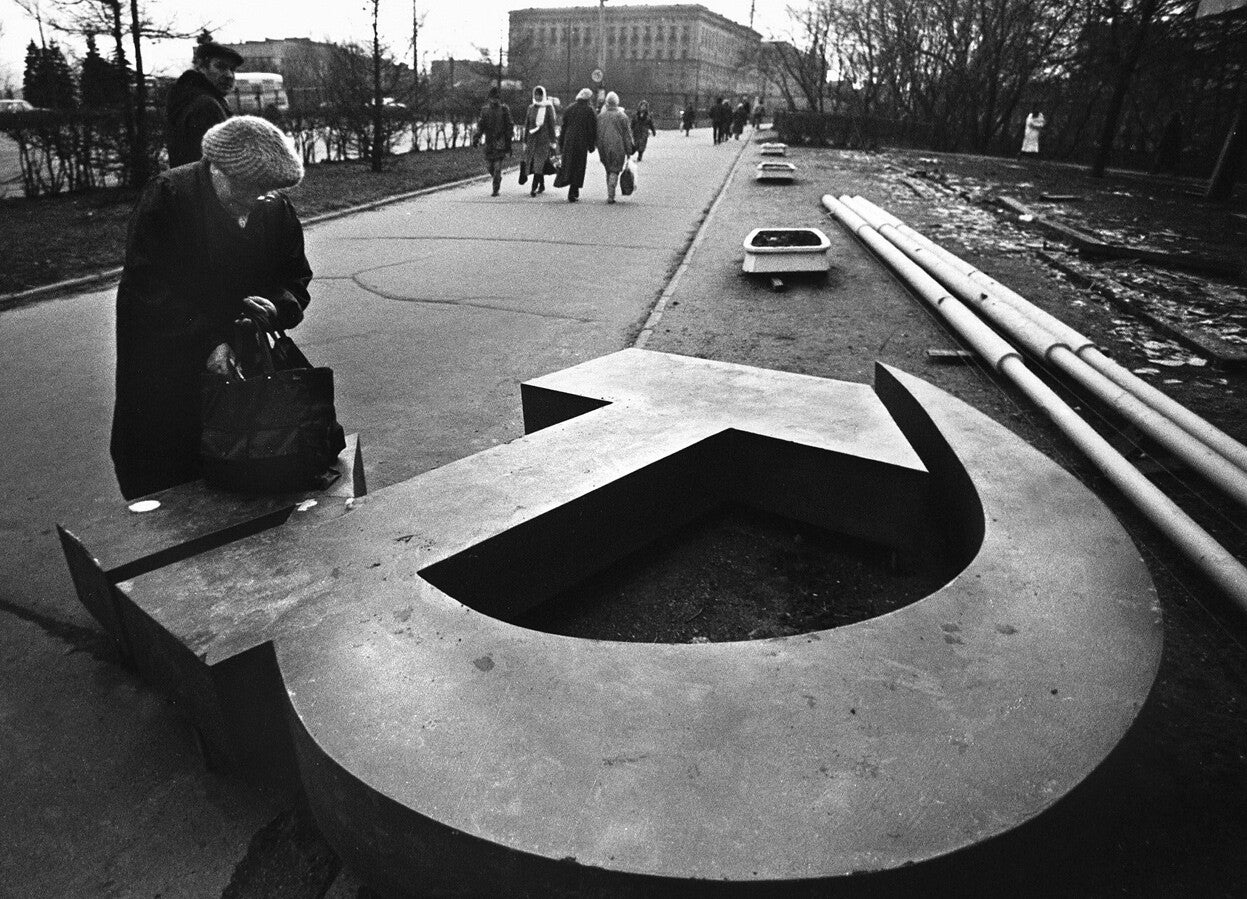
Changes in the Soviet Union
During the late 1980s, major changes in the Soviet Union helped reshape Eastern Europe. Soviet leader Mikhail Gorbachev introduced reforms that encouraged greater openness and economic change while reducing Soviet control over its satellite states. As the Soviet Union stopped intervening in Eastern Europe, communist governments, including East Germany's, faced growing pressure to reform, contributing to the events that led to the fall of the Berlin Wall.
Image Credits: Alexander Nemenov
The Opening of the Border (November 9, 1989)
On November 9, 1989, East Germany unexpectedly announced that citizens could cross the border into West Germany. Thousands of people gathered at the Berlin Wall, and overwhelmed border guards allowed them to pass without violence. The opening of the border marked the beginning of the Berlin Wall's fall and became one of the most memorable moments of the Cold War.


The Destruction of the Berlin Wall
After the border opened on November 9, 1989, people from both East and West Berlin gathered at the Wall to celebrate. Many climbed onto it and began breaking it apart with hammers and chisels, turning it into a symbol of freedom instead of division. Over the following months, most of the Berlin Wall was officially demolished, marking the end of one of the Cold War's most recognizable barriers.
Image Credits: Patrick PIEL/Gamma-Rapho via Getty Images
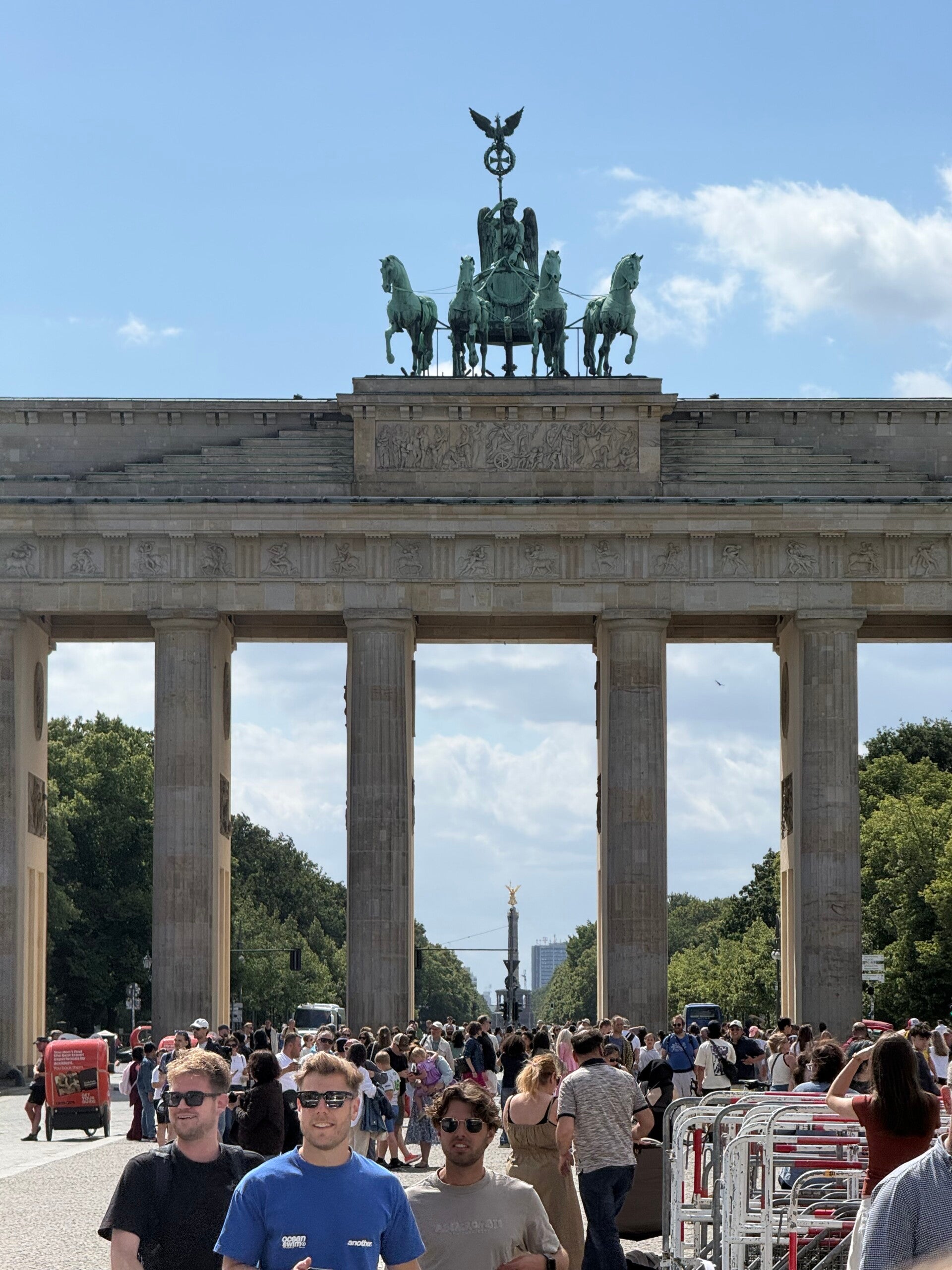
Legacy
The Berlin Wall continues to have a lasting impact on Germany and the world. Although Germany was reunified in 1990, the effects of more than four decades of division can still be seen in some economic, political, and cultural differences between the former East and West. Today, sections of the Wall have been preserved as historical memorials and museums, helping people understand the experiences of those who lived through the Cold War. The Wall remains one of the most recognizable symbols of the division between communism and democracy and represents a defining period in modern German history.
Create Your Own Website With Webador