

The division of Germany: two nations emerge
The road to two Germanys
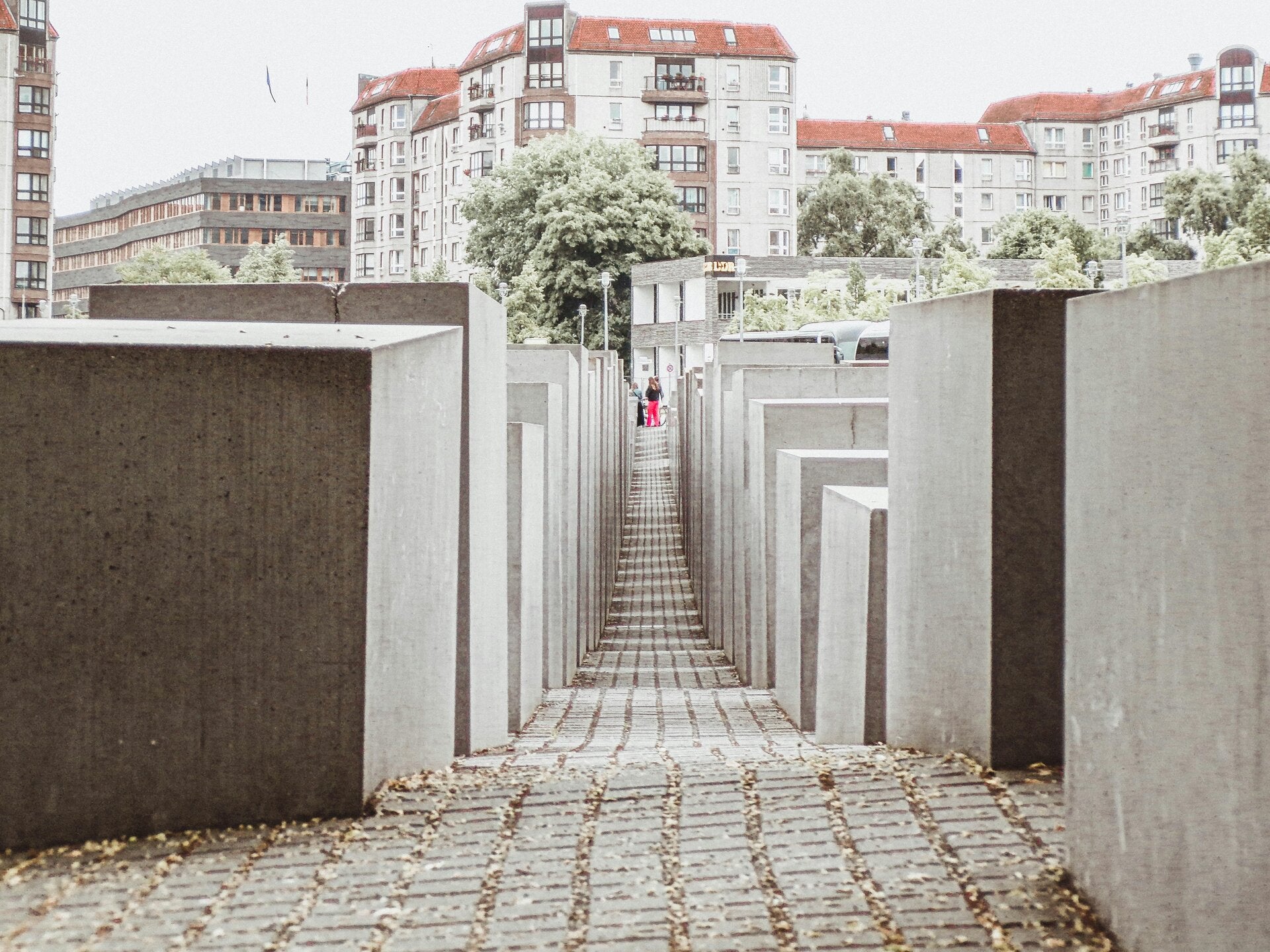
The aftermath of World War II left Germany divided into occupation zones, setting the stage for two very different countries. West Germany, the Federal Republic of Germany (FRG), was shaped by democratic ideals from the Western Allies, while East Germany, the German Democratic Republic (GDR), followed Soviet communist ideology. During my high school exchange in Germany, I saw how this division is still remembered today. The creation of NATO and the Warsaw Pact, along with growing political and economic differences, deepened the divide and defined Germany during the Cold War.
Image Credits: Niki Nagy/Pexels
Key moments in the division
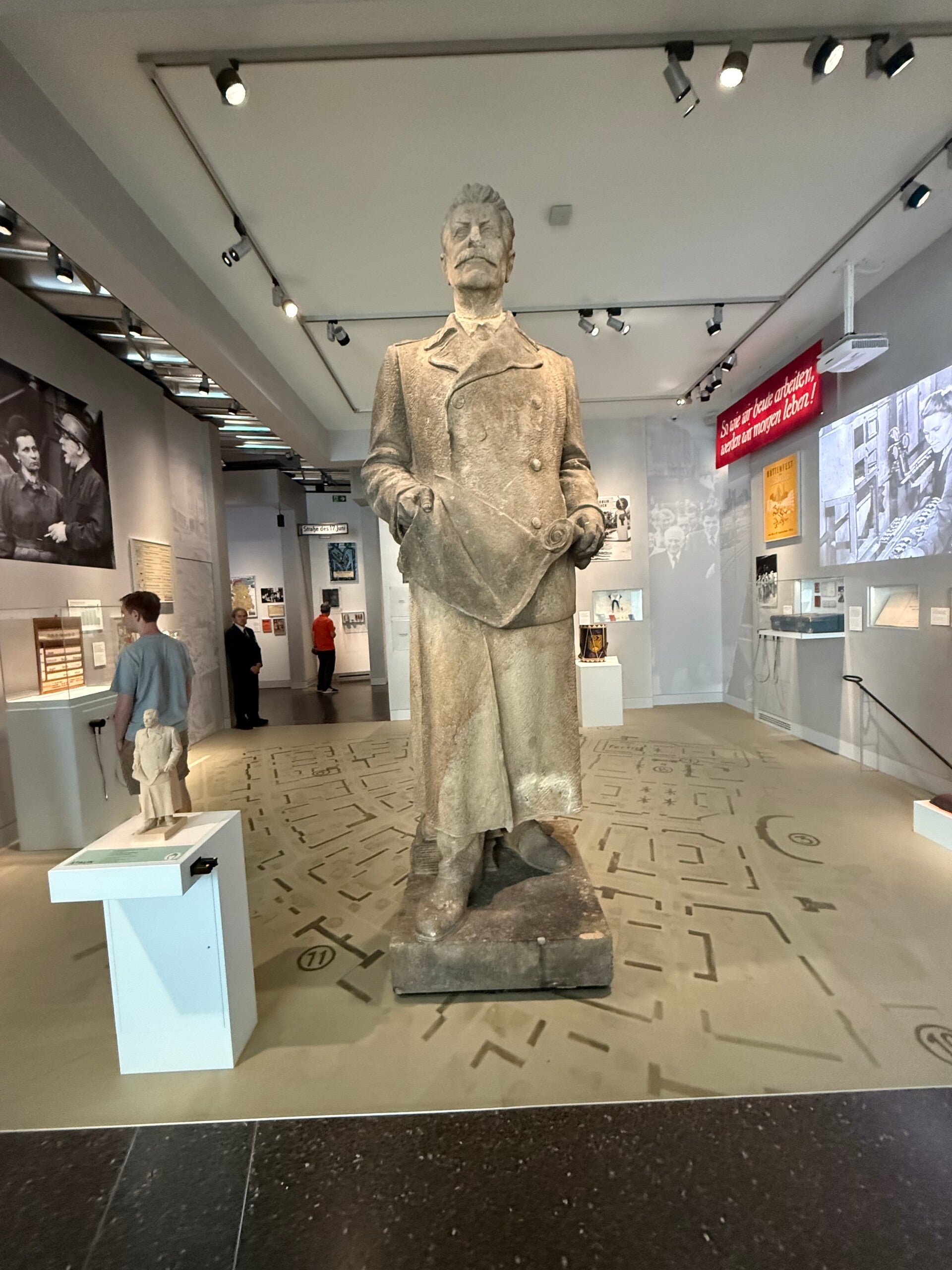
Several major events cemented Germany's division. After Germany's defeat in World War II in 1945, the country was occupied by the Allied powers. The Yalta and Potsdam Conferences established plans for governing postwar Germany, but growing Cold War tensions between the Soviet Union and the Western Allies quickly revealed deep disagreements about its future. The Berlin Blockade and Airlift of 1948–1949 became powerful symbols of this conflict. The creation of West Germany (the Federal Republic of Germany) and East Germany (the German Democratic Republic) in 1949 officially finalized the country's division.
Contrasting lives: West versus East Germany
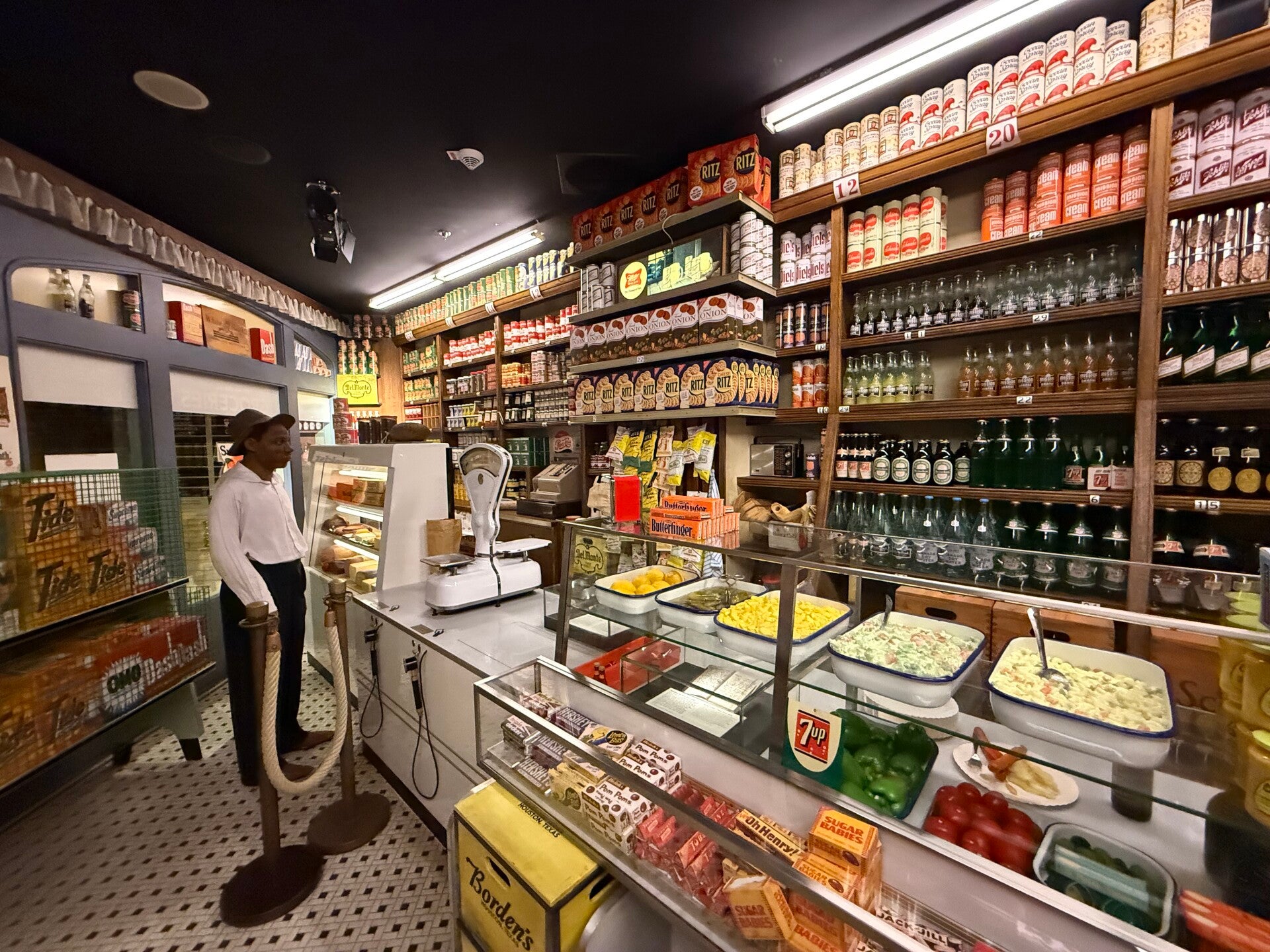
The division created major differences between East and West Germany. West Germany developed into a democratic country with a strong free-market economy, giving its citizens greater personal freedoms, better living standards, and access to a wide variety of goods. In contrast, East Germany became a communist state under Soviet influence, with a government-controlled economy, frequent shortages of everyday products, limited freedoms, and constant surveillance by the Stasi. These differences shaped daily life and continue to influence the country today.
Unexpected truths of a divided nation
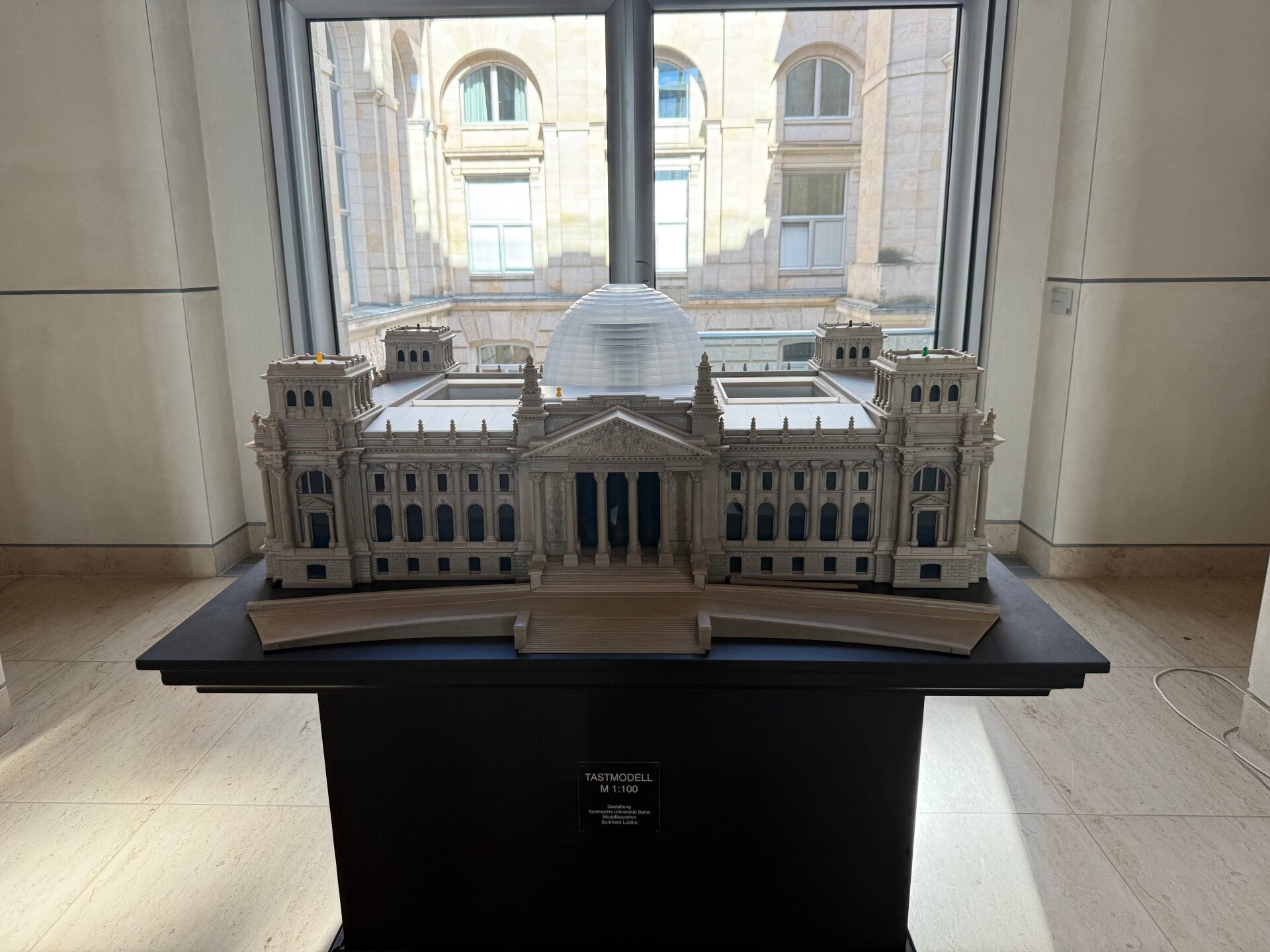
Beyond the political conflict, Germany's division had a huge impact on everyday life. West Berlin became an "island" of freedom surrounded by communist East Germany. Before the Berlin Wall was built, millions of East Germans escaped to the West, leading East Germany to suddenly close the border in 1961. The Wall separated families overnight, and many people attempted daring escapes using tunnels, hidden compartments in cars, and even homemade hot air balloons. At the same time, the Stasi operated one of the world's largest surveillance networks, using thousands of informants to monitor ordinary citizens.
Create Your Own Website With Webador