

German reunification: A nation united
Explore the pivotal moments that brought a divided Germany back together. From the initial signs of change to the official unification, understand the complex journey and its lasting impact.

The collapse of East Germany
By the late 1980s, East Germany faced increasing political and economic struggles that weakened the communist government. A failing economy, limited freedoms, and growing public dissatisfaction led to widespread protests demanding change. As reforms spread through the Soviet Union and other Eastern European countries, East Germany lost support from its allies and struggled to maintain control. The opening of the Berlin Wall in 1989 accelerated the collapse of the East German government, eventually leading to the end of the German Democratic Republic and reunification with West Germany in 1990.
Image Credits: Franco Garcia/Pexels

The two Germanys begin negotiations
After the fall of the Berlin Wall, East and West Germany began discussions about the future of the country. Leaders from both sides worked together to address the challenges of reunification, including political systems, economic differences, and the transition from two separate governments into one. These negotiations, along with agreements involving the Allied powers and the Soviet Union, helped create the foundation for German reunification on October 3, 1990.
Image Credits: Katrin Bolovtsova/Pexels

The Two Plus Four Treaty (1990)
The Two Plus Four Treaty was a major agreement that helped make German reunification possible. Signed in 1990, it involved East Germany, West Germany, and the four Allied powers from World War II: the United States, Soviet Union, United Kingdom, and France. The treaty settled important issues about Germany’s borders, military status, and independence after reunification. By giving Germany full sovereignty, the agreement officially cleared the way for East and West Germany to become one country again.
Image Credits Markus Spiske/Pexels
Official reunification (October 3, 1990)
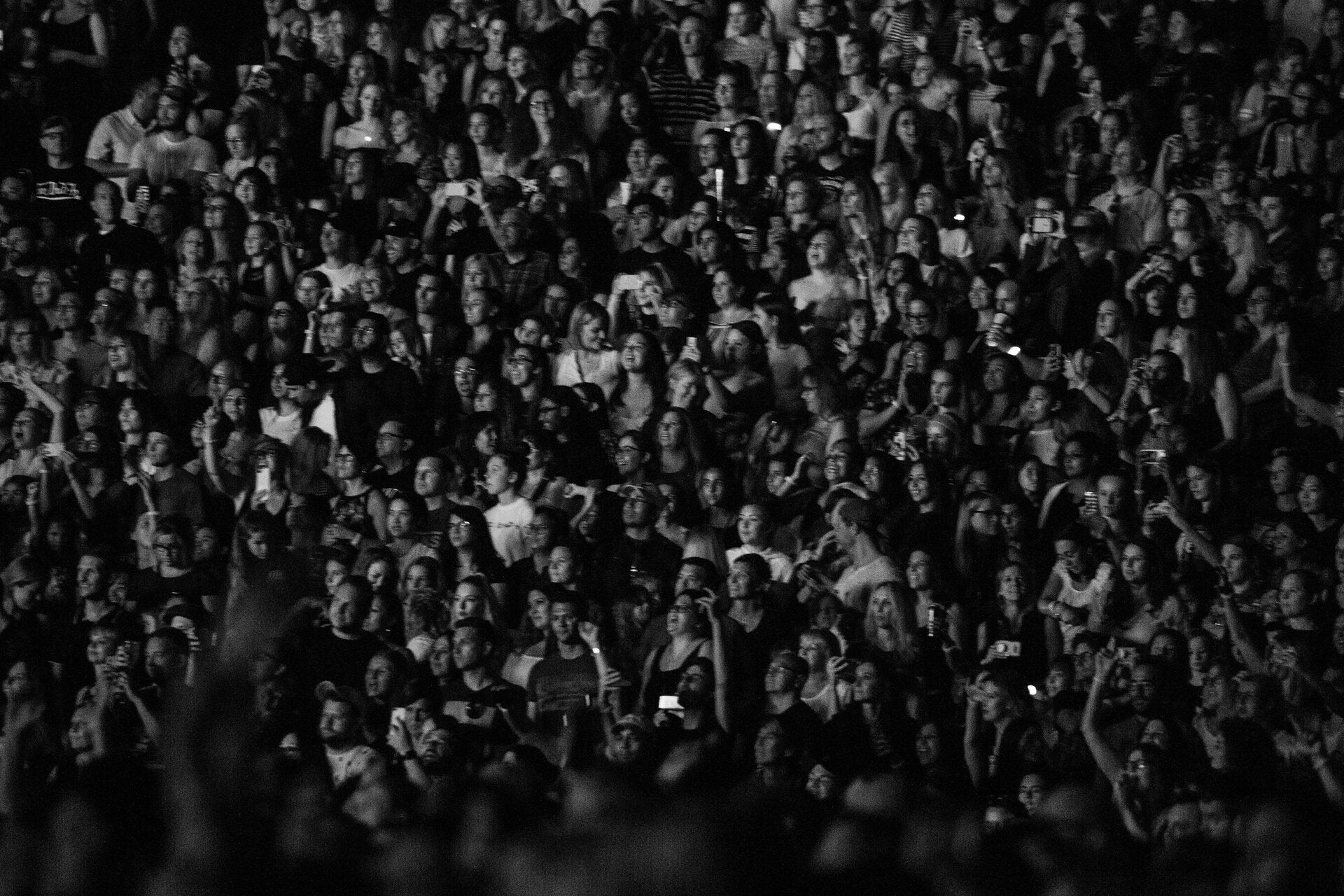
On October 3, 1990, East and West Germany officially reunited, ending more than 40 years of separation. The German Democratic Republic (East Germany) joined the Federal Republic of Germany (West Germany), creating a single, united German nation. Reunification marked the end of the Cold War division in Germany and began a new period of rebuilding and integration. Although the process brought economic and social challenges, October 3 became a significant moment in German history and is celebrated today as German Unity Day.
Image Credits: Wendy Wei/Pexels
Rebuilding East Germany
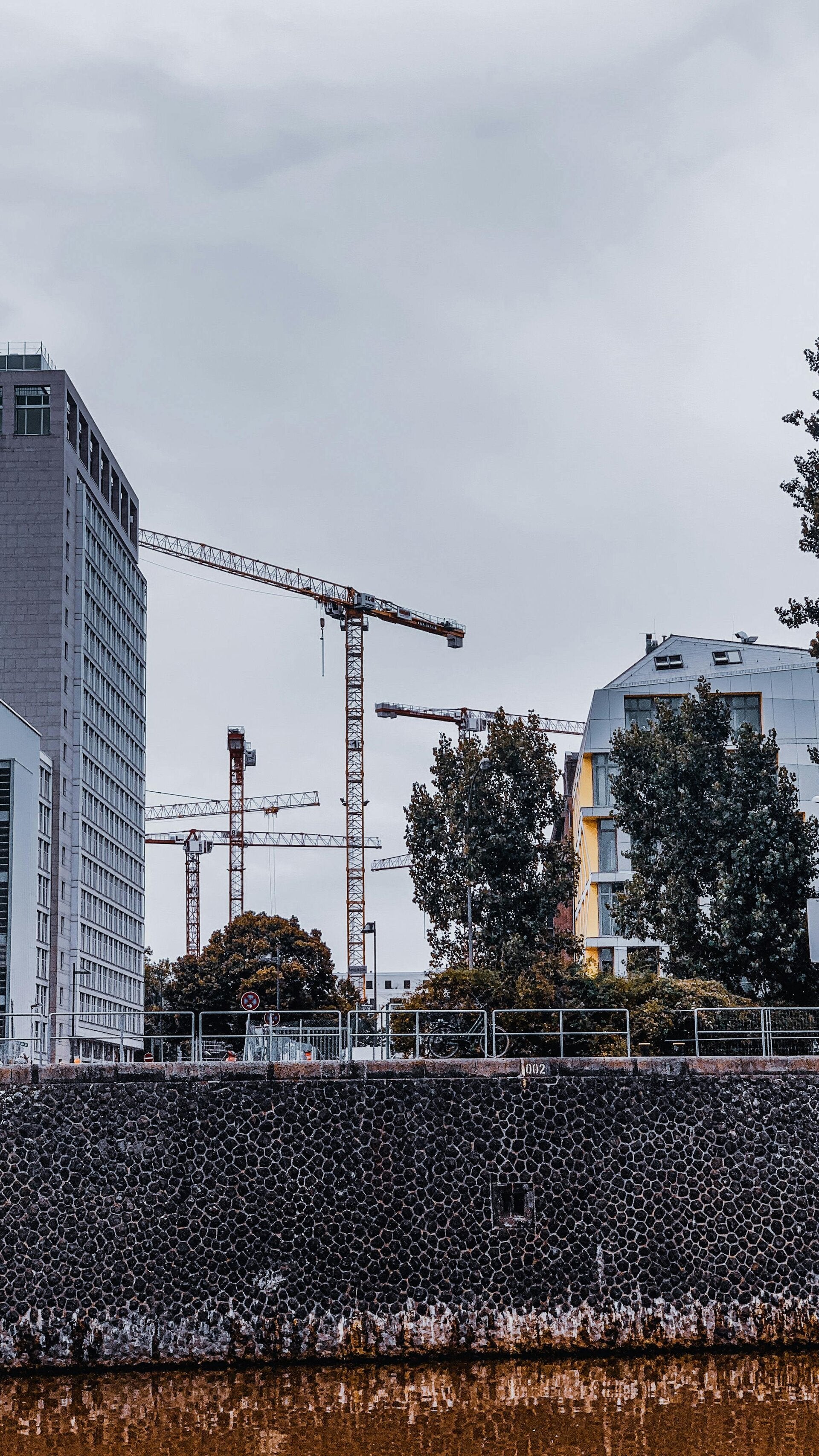
After reunification, Germany faced the difficult task of rebuilding the former East Germany and bringing the two regions together. The transition from a communist planned economy to a market-based system caused major changes, including the closure of some state-owned industries and challenges with unemployment. The government invested heavily in modernizing infrastructure, improving cities, and supporting economic growth in the eastern states. Although differences between East and West Germany remained, reunification led to major improvements and helped create a more connected and unified country.
Image Credits Diana/Pexels

Berlin becomes the capital
After German reunification, Berlin was chosen to become the capital of the newly united Germany. In 1991, the German government decided to move the capital from Bonn back to Berlin, recognizing the city’s historical importance as the center of German politics. The move was completed in 1999, when government buildings and the parliament, the Bundestag, relocated to Berlin. The return of the capital symbolized Germany’s reunification and the rebuilding of a city that had once been divided by the Berlin Wall.
Image Credits: Eren Aydinoglu/Pexels
Create Your Own Website With Webador